

Humayun’s Tomb is a garden mausoleum in Nizamuddin East, Delhi, near Mathura Road and Nizamuddin Dargah. Its central tomb, Charbagh garden and surrounding monuments make the complex a substantial heritage site to explore.
- Location: Nizamuddin East, near Mathura Road and Nizamuddin Dargah.
- Opening pattern: Delhi Tourism gives daily opening from sunrise to sunset; check the official site before you go.
- Ticket basics: Official Delhi Tourism pages give differing entry fees; confirm the current fee before your visit.
- Complex: The garden and enclosure include several other historic monuments as well as the main tomb.
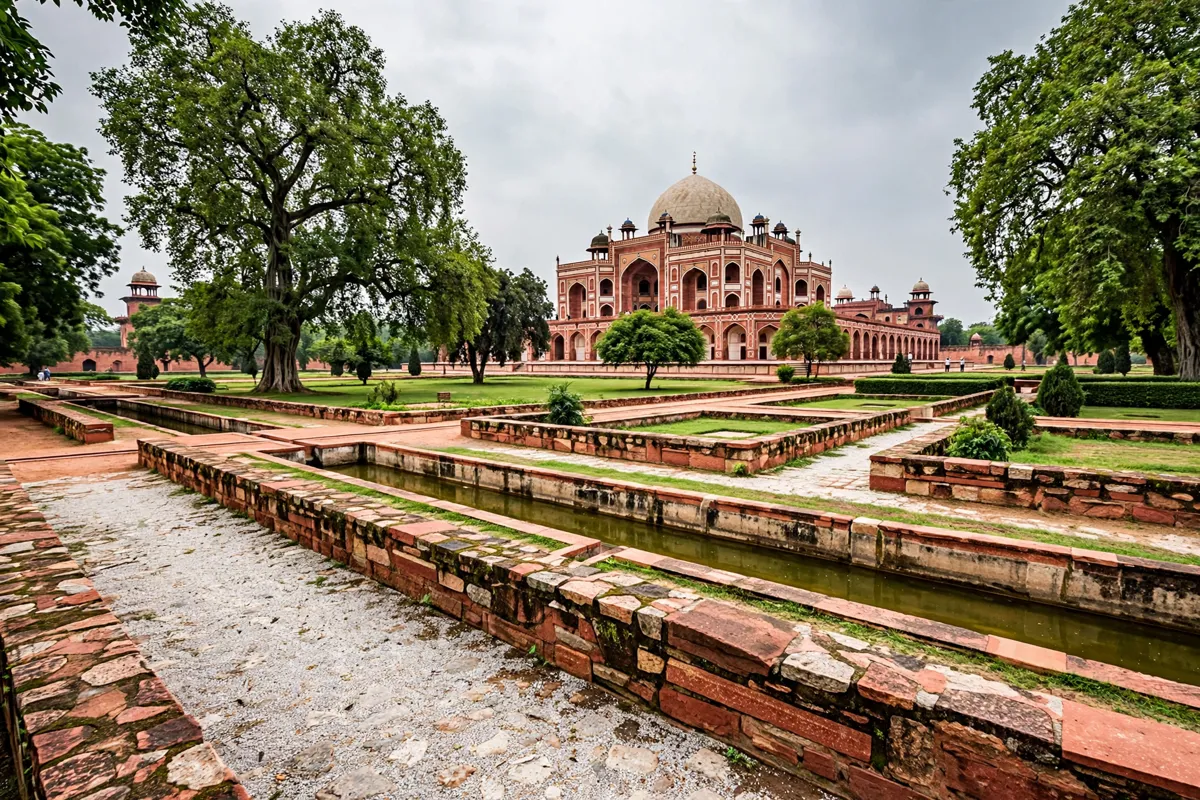
Where Humayun’s Tomb Is and What the Complex Includes
Humayun’s Tomb stands in Nizamuddin East, Delhi, close to Mathura Road and Nizamuddin Dargah. The Archaeological Survey of India identifies the protected site as including the tomb, its platform, gardens, enclosure walls and gateways.
The complex is more than the central mausoleum: other monuments here include Isa Khan’s Tomb, Nila Gumbad, Nai ka Gumbad, Afsarwala Tomb, Bu Halima’s Tomb and Arab Serai. If you’re planning to visit nearby gardens too, Sunder Nursery is an adjacent destination with its own historic setting.
Humayun’s Tomb was commissioned by Empress Bega Begum and built in 1569–70, according to the South East Delhi District Magistrate’s site. The Ministry of Culture describes it as the first garden-tomb on the Indian subcontinent. UNESCO inscribed the tomb as a World Heritage Site in 1993.
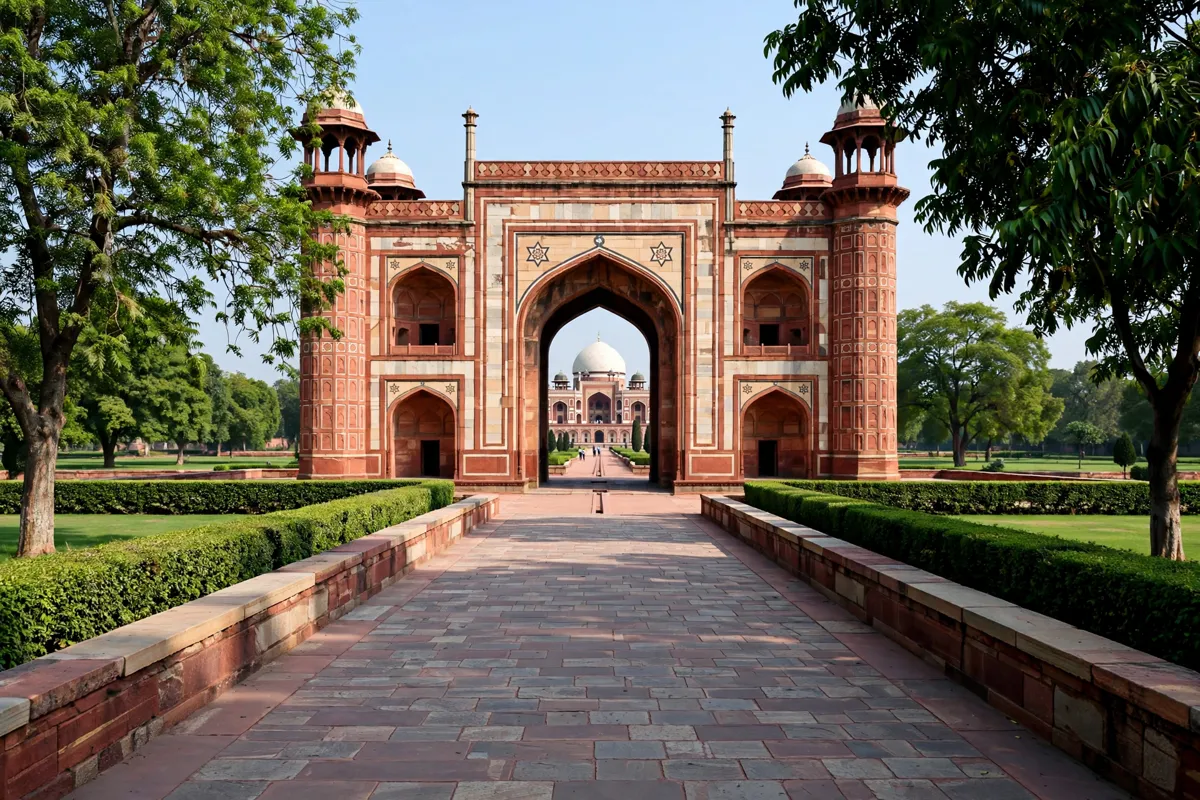
Tickets, Opening Hours and Entry
The monument is open daily, with reported closing times ranging from sunset to 7:30 PM. Entry fees differ between official Delhi Tourism pages: ₹35–₹40 for Indians and ₹550–₹600 for foreign visitors.
The pages also differ on the nearest metro station. JLN Stadium and Jangpura on the Violet Line are both named, so confirm practical details with Delhi Tourism before setting out. Delhi Tourism describes the monument as “Disable friendly.”
Photography has no charge, while video filming costs ₹25. The museum is open from 10 AM to 9 PM, with last entry at 8 PM, and is closed on Mondays and national holidays. Admission is ₹50 for Indian and SAARC citizens, ₹25 for children aged 5–12, and ₹300 for other nationalities.
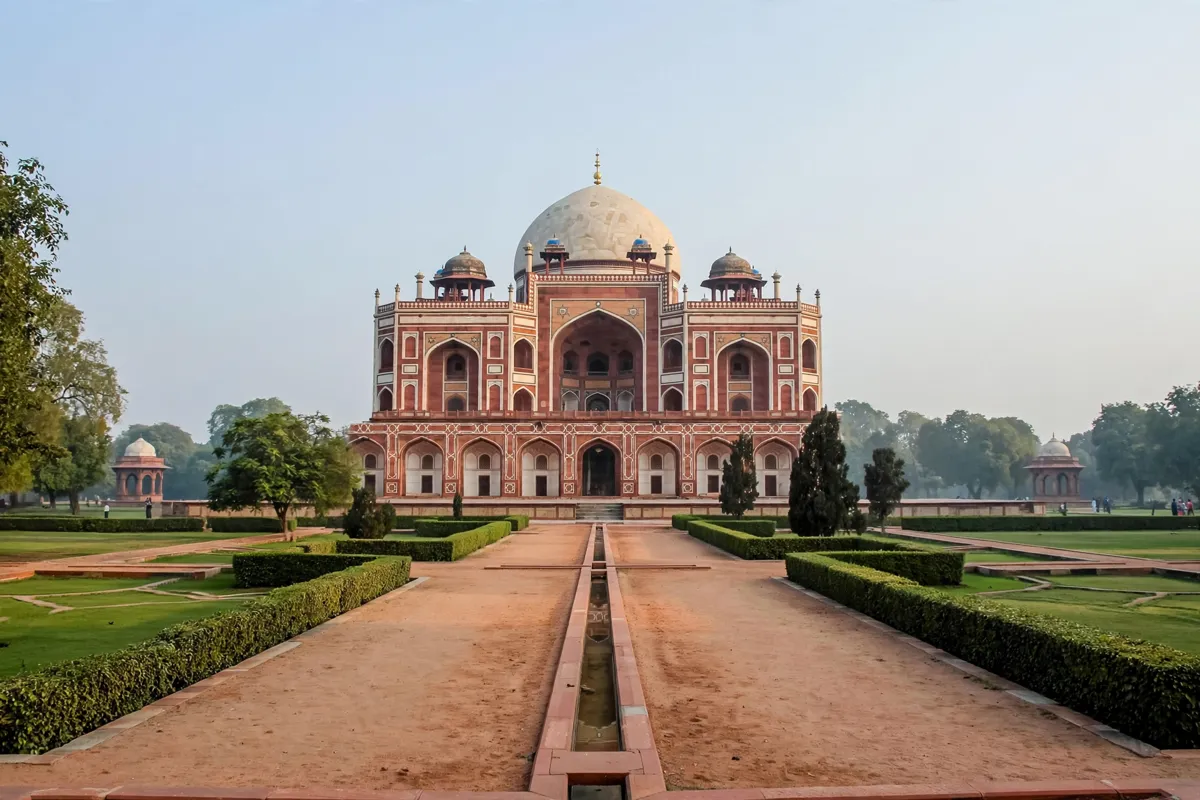
The Main Tomb and Garden Layout
The mausoleum sits at the centre of a Charbagh garden, whose intersecting paths and water channels divide the grounds into sections. The formal layout makes the garden part of the monument’s design, not simply a setting around the tomb.
The Ministry of Culture records the property area as 27.04 hectares, with a buffer zone of 53.21 hectares. The complex also includes gateways and enclosure walls, along with the additional tombs and structures scattered across the grounds.
The museum building serves as an underground bridge between the Humayun’s Tomb complex and adjacent Sunder Nursery. That connection makes it possible to pair the monument with a visit to the gardens next door.
How Do You Get to Humayun’s Tomb?
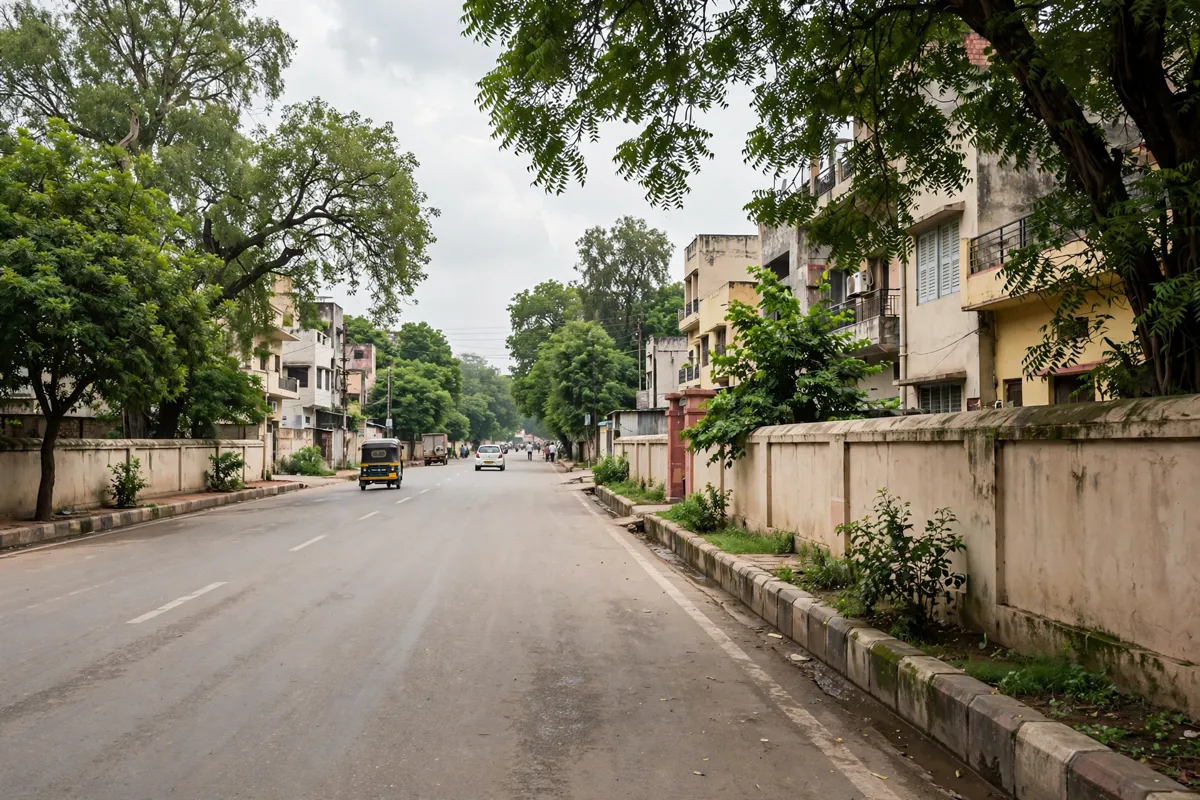
The monument can be approached through gateways from the south or west. The South East Delhi District Magistrate’s site places the main entrance on the west side of the pathway leading to the tomb enclosure.
Nizamuddin railway station and the Hazrat Nizamuddin Bus Stop on Mathura Road are ways to reach the site. Metro guidance varies between Delhi Tourism pages, so check the operator’s current information before choosing a station. If you’re planning other stops in the area, a heritage walk near Nizamuddin can help shape the day.
The South East Delhi District Magistrate also identifies the west-side entrance as the main entrance to the tomb enclosure.
Humayun’s Tomb is about 1.4 km from Beaufort Inn.
How Much Time to Allow
Allow enough time to walk through the garden and see the main mausoleum as well as the other monuments within the complex. The site covers 27.04 hectares, and its paths connect a number of distinct structures; adding the museum or adjacent Sunder Nursery extends the visit.
If you’re combining the tomb with Sunder Nursery, the museum’s underground bridge links the two sites. A separate visit to the gardens can also complement a Sunder Nursery visit.
FAQs
Who commissioned Humayun’s Tomb?
Empress Bega Begum commissioned the tomb, which was built in 1569–70.
What is the Charbagh garden?
It is the garden layout of intersecting pathways and water channels, with the mausoleum at its centre.
Is the museum part of the main tomb?
The museum is a separate facility whose underground bridge connects the tomb complex with Sunder Nursery.
Are the ticket prices consistent across official pages?
No. The monument’s stated entry fees vary, so confirm the current details with Delhi Tourism before visiting. For transport beyond the monument, the New Delhi getting-around guide covers travel from the hotel.