

The Tomb of Abdul Rahim Khan-i-Khanan anchors a short heritage walk through Nizamuddin, New Delhi, with Chausath Khamba and Sabz Burj as nearby historic stops. The route brings together monuments from different periods and offers a way to explore this corner of the city on foot.
- Area: Nizamuddin, New Delhi.
- Tomb garden: The Archaeological Survey of India’s published rules give hours from sunrise to 10 PM.
- Chausath Khamba: Built in 1623–24 as a tomb.
- Sabz Burj: Dated to the 1530s by the Aga Khan Trust for Culture.
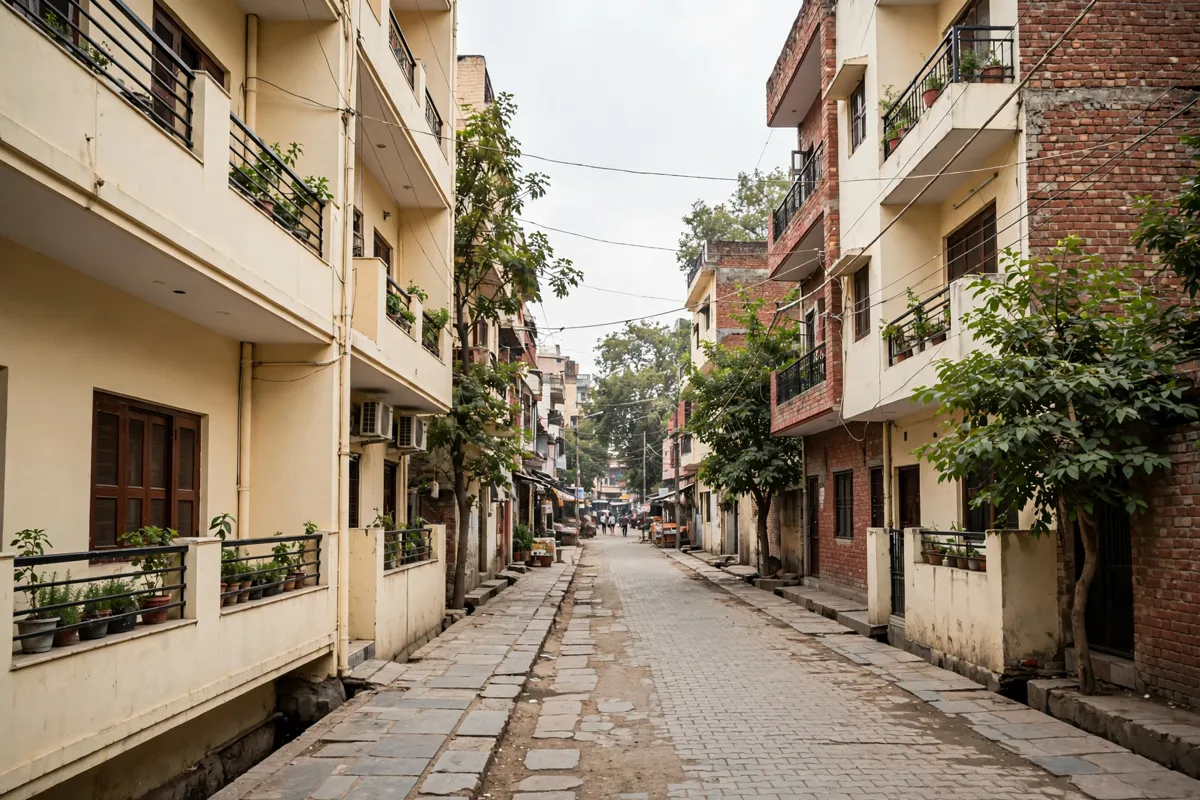
Starting the Walk in Nizamuddin
The Tomb of Abdul Rahim Khan-i-Khanan is the natural first stop for this Nizamuddin walk. Continue towards the neighbourhood’s other historic sites.
The Tomb of Khan-i-Khana is under Archaeological Survey of India administrative control in Nizamuddin, Delhi. From there, plan to visit Chausath Khamba and then Sabz Burj; travel times don’t specify distances between the monuments.
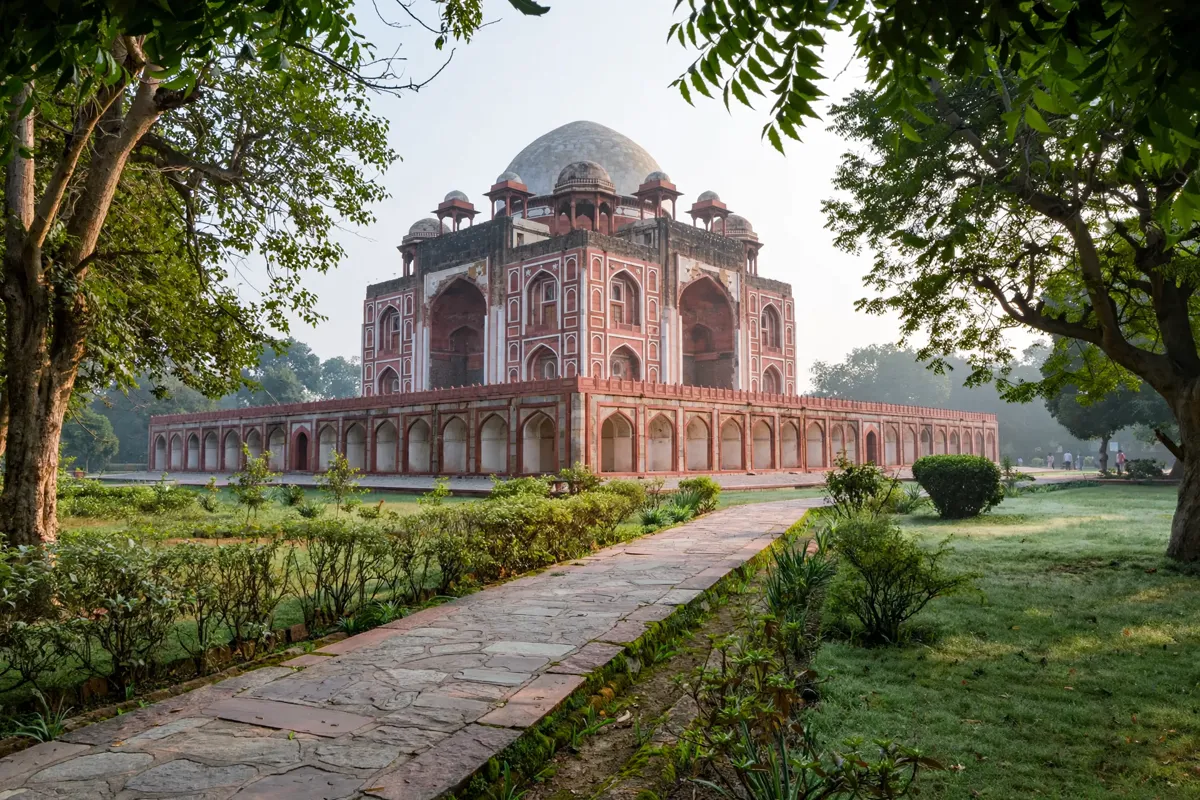
Tomb of Abdul Rahim Khan-i-Khanan
The tomb commemorates Abdul Rahim Khan-i-Khanan, a court figure, writer and son of Bairam Khan, Akbar’s regent. Rahim served both Akbar and Jahangir, and wrote Hindi couplets under the name Rahim.
Rahim built the tomb after his wife died in 1598. He was buried there after his own death in 1627. Its design resembles Humayun’s Tomb, but its story also includes a substantial change to its original appearance: the red sandstone, buff sandstone and marble facing were removed and reused in Safdar-Jang’s Tomb, built in 1753.
The monument’s interior has incised and painted plaster, and a cenotaph of Rahim stands on the first floor. The published opening hours apply to the garden; they do not establish that the tomb interior is open to visitors during those hours.
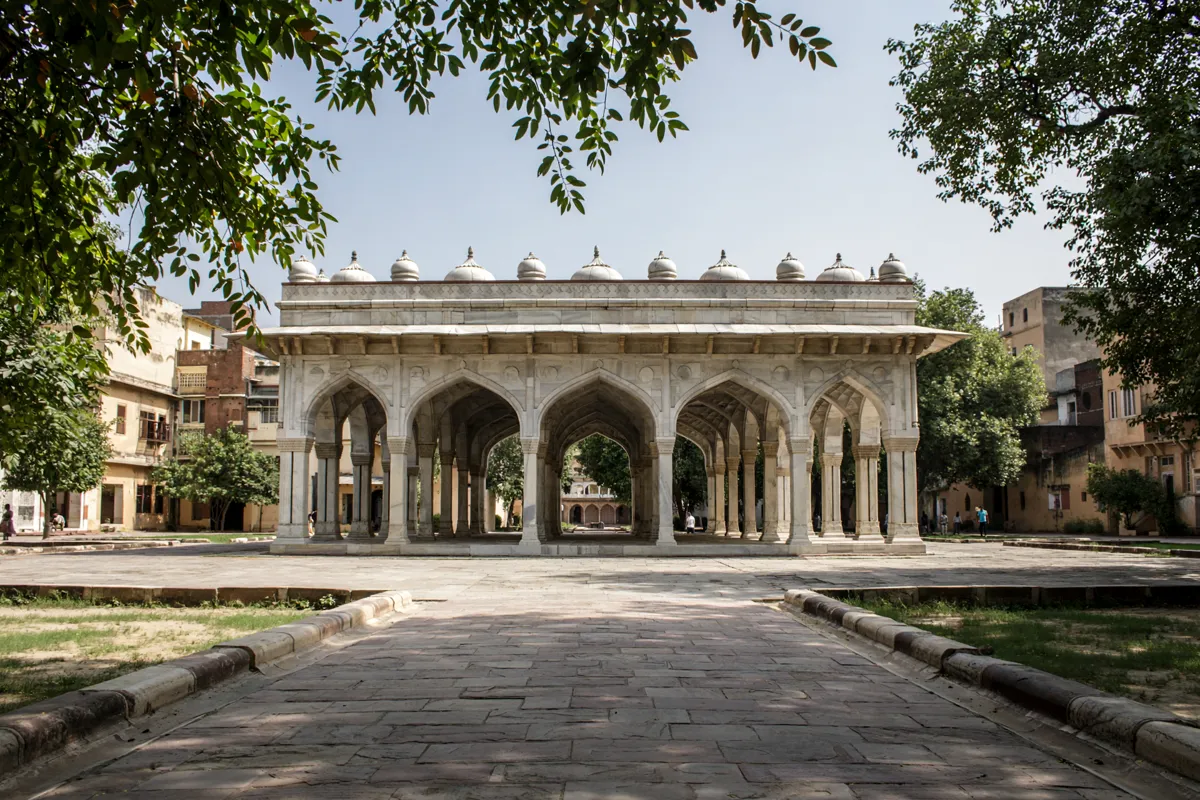
Chausath Khamba and the Nizamuddin Area
Chausath Khamba is a marble tomb known for its 64 monolithic pillars and 25 marble domes. Built in 1623–24, it is the tomb of Mirza Aziz Koka, Akbar’s foster brother.
The monument stands near Atgah Khan’s tomb, at the edge of the Nizamuddin Dargah. For a broader sense of the nearby religious precinct, read about how to visit Nizamuddin Dargah respectfully.
Conservation work at Chausath Khamba has been carried out in partnership with the Archaeological Survey of India, with support from the German Embassy; check access arrangements before setting out.
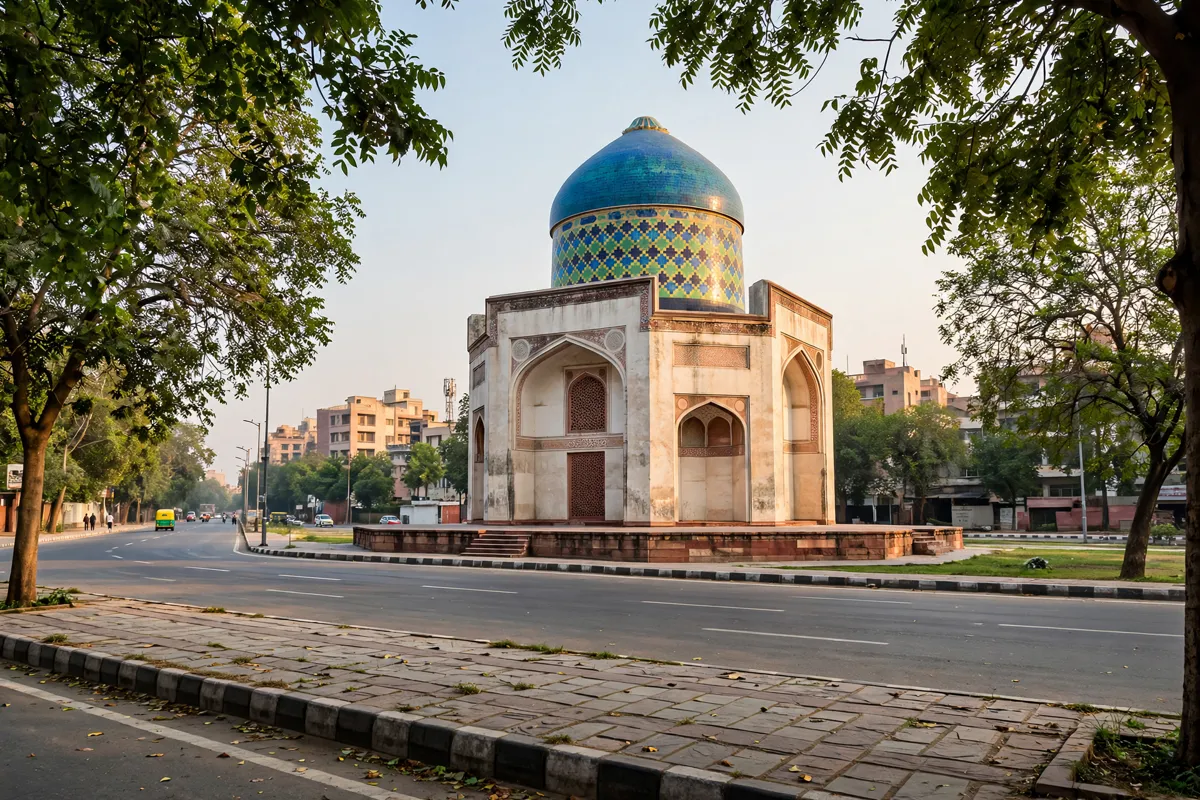
Sabz Burj and the Route Back
Sabz Burj is one of the area’s earliest monuments, dating to the 1530s. Its place on the walk adds an earlier landmark to a route that also includes the later Mughal-era tombs. It is about a 16-minute walk from a hotel near Sabz Burj.
For a closer look at its history and visiting details, learn about Sabz Burj and how to visit.
If you want to extend your time among New Delhi monuments, Humayun’s Tomb is in Nizamuddin, opposite the Dargah, on Mathura Road. Delhi Tourism gives its opening hours as daily from sunrise to sunset. For Humayun’s Tomb tickets, hours and what to see, plan around those details.
Access, Dress and Respectful Visiting
The garden at Rahim’s tomb is open from sunrise to 10 PM under the Archaeological Survey of India’s published rules. Those hours apply to the garden, not necessarily the tomb interior. Chausath Khamba’s access arrangements should also be checked before setting out. Before you go: check the official site before you go.
The walk also passes close to an active religious area. If you plan to include the Dargah, check guidance on access and etiquette as part of planning your visit.
FAQs
Who was Abdul Rahim Khan-i-Khanan?
Rahim was the son of Bairam Khan, served Akbar and Jahangir, and wrote Hindi couplets under the name Rahim.
Why is the monument called Chausath Khamba?
Its name refers to its 64 monolithic marble pillars. The structure is built entirely of marble.
When does the Tomb of Abdul Rahim Khan-i-Khanan garden open?
The Archaeological Survey of India’s published rules give garden hours from sunrise to 10 PM. These hours do not confirm that the tomb interior is open to visitors.
Can you combine this walk with Humayun’s Tomb?
Yes. Humayun’s Tomb is in Nizamuddin, opposite the Dargah on Mathura Road. Delhi Tourism gives its hours as daily from sunrise to sunset; check the official site for current ticket details.